
The global climate crisis demands urgent action, and innovative financing mechanisms are emerging as powerful catalysts for change. Climate-focused bonds have evolved from niche financial instruments into mainstream tools that channel billions of dollars toward projects addressing environmental challenges and building resilience.

As governments, corporations, and financial institutions recognize the interconnected risks of climate change, these specialized debt instruments are transforming how we fund the transition to a low-carbon economy. From renewable energy infrastructure to sustainable transportation systems, climate bonds are proving that profitability and environmental stewardship can coexist harmoniously.
🌍 The Evolution of Climate-Focused Bonds in Modern Finance
Climate bonds have experienced remarkable growth since their inception, with the market expanding from a modest $11 billion in 2013 to over $500 billion in annual issuance by 2023. This exponential growth reflects a fundamental shift in how investors perceive environmental responsibility and long-term value creation.
The Climate Bonds Initiative has played a pivotal role in standardizing these instruments, creating the Climate Bonds Standard that provides investors with confidence that their capital is genuinely supporting climate-positive projects. This certification process has eliminated much of the greenwashing concerns that plagued early environmental finance.
Green bonds, social bonds, sustainability bonds, and sustainability-linked bonds now form a diverse ecosystem of climate-focused financing tools. Each category serves specific purposes, allowing issuers to match their environmental objectives with appropriate financial structures. The sophistication of these instruments continues to increase, incorporating performance metrics, impact reporting, and third-party verification mechanisms.
Renewable Energy Projects Leading the Transformation
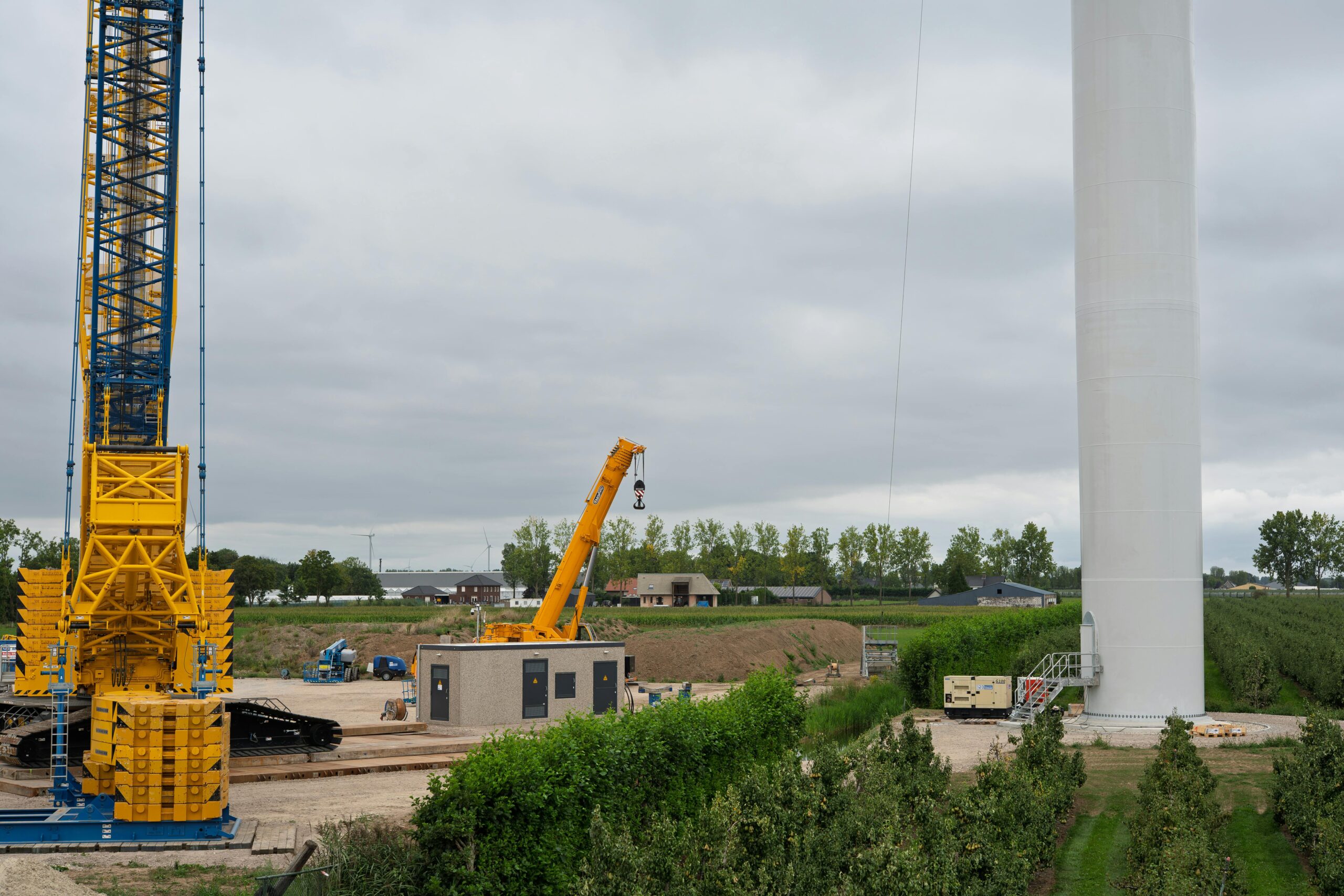
Renewable energy infrastructure represents the largest allocation category for climate bond proceeds, accounting for approximately 35% of total issuance. Solar photovoltaic installations, offshore wind farms, and hydroelectric facilities are receiving unprecedented investment through these mechanisms.
Denmark’s Ørsted, formerly known as DONG Energy, issued one of the most significant green bonds in the energy sector, raising €1.75 billion to finance offshore wind projects. This transaction demonstrated how established energy companies could pivot from fossil fuels to renewables while maintaining investor confidence and accessing capital markets efficiently.
Solar Energy Expansion Through Bond Financing
Solar projects have benefited tremendously from climate bond financing, enabling rapid deployment across diverse geographies. In India, the Solar Energy Corporation raised $750 million through green bonds to support the country’s ambitious 175 GW renewable energy target. These funds financed rooftop solar installations, utility-scale solar parks, and grid infrastructure improvements.
The declining cost of solar technology combined with innovative financing has created a virtuous cycle. As more capital flows into the sector through climate bonds, economies of scale drive costs lower, making projects more attractive to both developers and investors. This dynamic has accelerated solar adoption rates far beyond initial projections from just a decade ago.
Wind Power Infrastructure Investment
Wind energy projects, particularly offshore installations, require substantial upfront capital investment. Climate bonds have proven ideal for financing these long-term infrastructure assets that generate stable, predictable cash flows over 20-25 year operational lifespans.
The European Investment Bank has been particularly active in this space, issuing climate awareness bonds that have financed wind farms across the European Union. These projects not only generate clean electricity but also create employment opportunities in manufacturing, installation, and maintenance sectors.
🏙️ Sustainable Urban Development and Transportation
Cities consume approximately 75% of global energy and produce over 70% of carbon emissions, making urban areas critical battlegrounds in the climate fight. Climate bonds are financing transformative projects that reimagine urban spaces for sustainability and resilience.
Public transportation systems represent significant recipients of climate bond proceeds. Electric bus fleets, metro expansions, light rail networks, and cycling infrastructure are all being developed with support from these financing mechanisms. The city of Paris issued a €300 million green bond specifically to fund its sustainable mobility plan, including electric vehicle charging infrastructure and bicycle lane expansion.
Green Building Standards and Certification
The built environment contributes nearly 40% of global carbon emissions, making energy-efficient buildings essential to climate mitigation strategies. Climate bonds are financing construction and retrofitting projects that meet rigorous green building standards like LEED, BREEAM, and WELL certification.
Real estate investment trusts (REITs) have embraced green bonds as preferred financing vehicles for sustainable property development. These bonds typically fund features like advanced insulation, energy-efficient HVAC systems, solar panel installations, rainwater harvesting systems, and smart building management technologies.
Water Infrastructure and Conservation Projects 💧
Water scarcity affects over 2 billion people globally, and climate change is intensifying this challenge through altered precipitation patterns and increased drought frequency. Climate bonds are financing critical water infrastructure that addresses both mitigation and adaptation objectives.
Desalination plants powered by renewable energy, wastewater treatment facilities with energy recovery systems, and smart water distribution networks that minimize leakage are all receiving climate bond financing. Singapore’s PUB issued green bonds to finance its NEWater facilities, which recycle wastewater into ultra-clean, high-grade reclaimed water.
Agricultural water conservation projects are also benefiting from climate finance. Drip irrigation systems, precision agriculture technologies, and watershed restoration initiatives help farmers reduce water consumption while maintaining productivity. These projects demonstrate the agricultural sector’s potential to become part of the climate solution rather than remaining primarily a contributor to environmental degradation.
Forest Conservation and Nature-Based Solutions
Nature-based solutions are gaining recognition as cost-effective climate strategies that deliver multiple co-benefits. Climate bonds are increasingly financing reforestation projects, mangrove restoration, peatland conservation, and sustainable forestry management.
The Tropical Landscapes Finance Facility represents an innovative structure combining commercial financing with conservation objectives. This platform uses blended finance to make sustainable agriculture and forest conservation projects financially viable, attracting both impact investors and commercial capital.
Carbon Sequestration and Ecosystem Restoration
Ecosystem restoration projects financed through climate bonds provide natural carbon sequestration while supporting biodiversity conservation. Coastal mangrove restoration not only captures carbon but also provides storm surge protection, nursery habitats for fisheries, and livelihood opportunities for coastal communities.
These projects require patient capital with longer return horizons, making climate bonds with extended maturities particularly suitable. The integration of carbon credit revenue streams into project financial models has improved the economic viability of many restoration initiatives.
🔋 Energy Storage and Grid Modernization
The intermittent nature of solar and wind energy creates grid stability challenges that energy storage systems can address. Climate bonds are financing battery storage facilities, pumped hydro storage, and grid modernization projects that enable higher renewable energy penetration.
Tesla’s Hornsdale Power Reserve in South Australia, partially financed through green bonds, demonstrated how large-scale battery storage can provide grid services while generating financial returns. The facility’s success has inspired similar projects worldwide, with climate bonds playing an increasingly important role in their capitalization.
Smart grid technologies that optimize energy distribution, reduce transmission losses, and enable demand response programs are also receiving climate bond financing. These digital infrastructure investments create more resilient, efficient energy systems capable of integrating distributed renewable generation.
Circular Economy and Waste Management Innovation
The transition from linear “take-make-dispose” economic models to circular systems that minimize waste and maximize resource efficiency requires significant infrastructure investment. Climate bonds are financing waste-to-energy facilities, advanced recycling technologies, and industrial symbiosis projects.
The Netherlands has been a leader in circular economy financing, with multiple municipalities and corporations issuing green bonds for projects that close material loops. These include chemical recycling facilities that convert plastic waste back into virgin-quality materials and biogas plants that transform organic waste into renewable energy.
Industrial Decarbonization Initiatives
Heavy industries like steel, cement, and chemicals face significant decarbonization challenges due to process emissions and high energy requirements. Climate bonds are beginning to finance breakthrough technologies like hydrogen-based steel production, carbon capture and storage systems, and electrification of industrial processes.
These projects typically involve higher technological and commercial risks, requiring innovative financial structures that combine climate bonds with policy support mechanisms, technology guarantees, and offtake agreements. The success of early projects will determine whether climate bonds can scale financing for industrial transformation.
📊 Measuring Impact and Ensuring Accountability
The credibility of climate bonds depends on rigorous impact measurement and transparent reporting. The International Capital Market Association’s Green Bond Principles establish voluntary guidelines that most issuers follow, requiring disclosure of project selection criteria, proceeds management, and environmental impact metrics.
Third-party verification providers like Sustainalytics, Vigeo Eiris, and DNV GL assess climate bond frameworks and provide independent opinions on their alignment with established standards. This external validation gives investors confidence that their capital is genuinely supporting climate-positive outcomes rather than greenwashing exercises.
Advanced impact measurement methodologies now quantify avoided emissions, renewable energy generation capacity, water savings, and other environmental benefits. These metrics enable investors to understand not just financial returns but also their portfolios’ contributions to climate goals and sustainable development objectives.
Challenges and Opportunities in Climate Bond Markets
Despite impressive growth, climate bond markets face several challenges that must be addressed to realize their full potential. Standardization remains incomplete across jurisdictions, creating complexity for international investors. The European Union’s Taxonomy Regulation represents a comprehensive attempt at harmonization, but global alignment remains elusive.
Pricing dynamics have evolved considerably, with green bonds initially offering slight yield premiums—the “greenium”—reflecting strong investor demand. However, this pricing advantage is inconsistent across issuers and market conditions, raising questions about whether environmental benefits are being adequately valued by markets.
Emerging Markets and Climate Finance
Developing economies face the most severe climate vulnerabilities yet have historically attracted only a small fraction of climate bond proceeds. Currency risks, political instability, and lower credit ratings create barriers to accessing international capital markets for climate projects.
Innovative structures like blended finance facilities that combine concessional capital from development finance institutions with commercial investment are helping to overcome these barriers. The IFC’s green bond program for emerging market financial institutions has successfully channeled capital to climate projects in countries that would otherwise struggle to access international investors.
🚀 The Future Landscape of Climate-Focused Bonds
The next evolution of climate bonds will likely include more sophisticated instruments tied to specific performance metrics. Sustainability-linked bonds, which offer coupon step-ups or step-downs based on the issuer’s achievement of predetermined sustainability targets, are gaining traction as alternatives to traditional use-of-proceeds bonds.
Transition bonds represent another frontier, designed to finance the decarbonization of carbon-intensive sectors. These instruments acknowledge that some industries cannot immediately eliminate emissions but require capital to implement credible transition plans. The challenge lies in establishing criteria that distinguish genuine transition efforts from greenwashing.
Digital technologies including blockchain are being explored to enhance transparency and reduce transaction costs in climate bond markets. Tokenized green bonds could democratize access to climate investing, allowing retail investors to participate in projects previously accessible only to institutional investors.
Bridging the Climate Finance Gap
Current climate bond issuance represents only a fraction of the estimated $3-5 trillion in annual investment needed to meet Paris Agreement objectives. Scaling climate bonds to bridge this gap requires policy frameworks that incentivize sustainable investment, regulatory clarity that reduces uncertainty, and continued innovation in financial structures.
Central banks and financial regulators are increasingly incorporating climate risks into prudential frameworks, creating tailwinds for climate bond markets. The Network for Greening the Financial System, comprising over 100 central banks, is developing approaches to integrate climate considerations into monetary policy and financial stability assessments.
As physical climate risks materialize and transition risks intensify, investors are recognizing that climate considerations are not separate from financial analysis but integral to it. This paradigm shift will continue driving capital toward climate bonds as essential tools for portfolio risk management and long-term value creation.
Building Momentum for Systemic Change 🌱
Climate-focused bonds have transcended their origins as niche ethical investments to become mainstream financial instruments attracting diverse investor types. Pension funds managing long-term liabilities, insurance companies seeking stable returns, and sovereign wealth funds pursuing intergenerational equity are all allocating significant capital to climate bonds.
The projects these bonds finance are creating tangible environmental benefits while generating financial returns, demonstrating that addressing climate change represents an economic opportunity rather than merely a cost. Each successful project builds the track record that attracts additional capital and encourages innovation in project development and financing structures.
As the climate bond market matures, standardization will improve, transaction costs will decline, and access will broaden. This virtuous cycle will accelerate the flow of capital toward climate solutions, powering the sustainable infrastructure and technologies essential for limiting global warming and building resilient communities.
The transformation to a sustainable economy requires mobilizing unprecedented levels of capital toward climate-positive investments. Climate-focused bonds have proven their effectiveness as mechanisms for channeling this capital at scale. Their continued evolution and expansion will be critical to achieving global climate objectives and securing a livable planet for future generations.