
The global energy landscape is undergoing a profound transformation as nations, corporations, and investors recognize the urgent need to transition toward low-carbon economies. This shift represents not just an environmental imperative but also one of the most significant economic opportunities of our generation.

Climate change poses unprecedented risks to our planet, yet it simultaneously opens doors to innovative investment strategies that promise both financial returns and positive environmental impact. Low-carbon project investments are emerging as the cornerstone of this new economic paradigm, offering pathways to decarbonize industries while generating sustainable value for stakeholders across the spectrum.
🌍 The Global Imperative for Low-Carbon Transition
The scientific consensus on climate change has never been clearer. With global temperatures rising and extreme weather events becoming more frequent, the international community has established ambitious targets to limit warming to 1.5°C above pre-industrial levels. Achieving this goal requires massive reductions in greenhouse gas emissions across all sectors of the economy.
According to the International Energy Agency, reaching net-zero emissions by 2050 will require annual clean energy investments to more than triple by 2030, reaching around $4 trillion. This staggering figure underscores both the scale of the challenge and the magnitude of the opportunity for forward-thinking investors.
Governments worldwide are implementing increasingly stringent carbon regulations, carbon pricing mechanisms, and renewable energy mandates. These policy frameworks are fundamentally reshaping market dynamics, making low-carbon investments not just environmentally responsible but economically compelling.
Understanding the Low-Carbon Investment Landscape
Low-carbon project investments encompass a diverse range of opportunities across multiple sectors. From renewable energy generation to energy efficiency improvements, sustainable transportation to circular economy initiatives, the investment universe continues to expand as innovation accelerates.
Renewable Energy Projects: The Foundation of Decarbonization
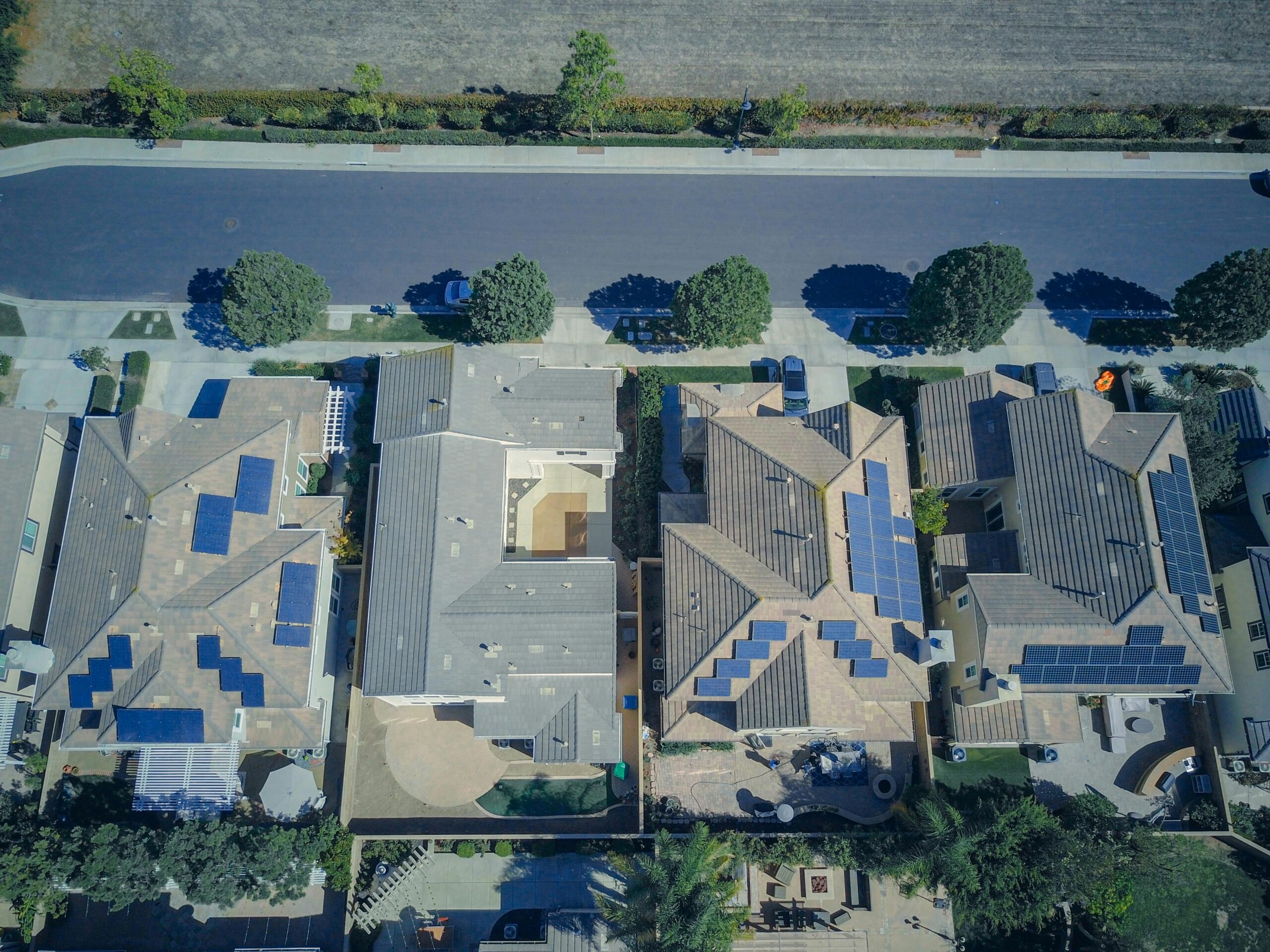
Solar and wind power have experienced dramatic cost reductions over the past decade, making them cost-competitive with or cheaper than fossil fuels in many markets. Large-scale solar farms, offshore wind installations, and distributed rooftop systems all present distinct investment profiles with varying risk-return characteristics.
Hydroelectric power, particularly small-scale and run-of-river projects, continues to provide reliable baseload renewable energy. Meanwhile, emerging technologies like green hydrogen production, advanced geothermal systems, and next-generation battery storage are opening new frontiers for investment.
Energy Efficiency and Building Retrofits
Buildings account for approximately 40% of global energy consumption, making energy efficiency improvements a critical component of any decarbonization strategy. Investments in building retrofits, smart building management systems, and high-performance construction materials deliver measurable carbon reductions while generating consistent cash flows through energy savings.
Commercial and industrial energy efficiency projects often feature attractive payback periods, making them particularly appealing to risk-conscious investors seeking stable returns. The integration of Internet of Things technologies and artificial intelligence is further enhancing the performance and investment appeal of these projects.
Sustainable Transportation Infrastructure
The transportation sector represents one of the most challenging and opportunity-rich areas for decarbonization. Electric vehicle charging infrastructure, electric bus fleets, rail electrification projects, and sustainable aviation fuel production facilities are attracting significant capital as the world moves away from internal combustion engines.
Investments in active transportation infrastructure—such as bicycle lanes and pedestrian pathways—also contribute to emission reductions while delivering substantial co-benefits including improved public health and reduced urban congestion.
💰 Financial Returns Meet Environmental Impact
The false dichotomy between financial performance and environmental responsibility is rapidly dissolving. Numerous studies demonstrate that companies with strong environmental, social, and governance (ESG) performance often outperform their peers over the long term.
Low-carbon investments benefit from multiple tailwinds that enhance their return profiles. These include declining technology costs, favorable policy support, growing consumer demand for sustainable products, and improved access to capital as mainstream financial institutions integrate climate considerations into their decision-making.
Risk Management Through Diversification
Low-carbon investments offer portfolio diversification benefits that traditional fossil fuel investments cannot match. As carbon regulations tighten and physical climate risks intensify, assets tied to high-emission business models face increasing stranding risk. Conversely, low-carbon assets are positioned to thrive in a carbon-constrained world.
The correlation patterns between renewable energy projects and traditional asset classes can provide valuable hedging characteristics, particularly as energy markets become more volatile due to geopolitical tensions and supply disruptions.
Navigating Investment Vehicles and Structures
Investors can access low-carbon opportunities through various channels, each offering distinct advantages and considerations. Understanding these structures is essential for optimizing portfolio allocation and achieving investment objectives.
Direct Project Investment
Institutional investors and high-net-worth individuals can participate directly in low-carbon projects through project finance structures. This approach offers greater control and potentially higher returns but requires specialized expertise and significant capital commitments.
Direct investment allows for customization of risk-return profiles through careful structuring of debt-equity ratios, revenue contracts, and operational agreements. Power purchase agreements, feed-in tariffs, and renewable energy certificates provide revenue stability that enhances project bankability.
Green Bonds and Climate-Focused Debt Instruments
The green bond market has grown exponentially, surpassing $500 billion in annual issuance. These fixed-income instruments earmarked for environmental projects provide investors with predictable income streams while supporting the low-carbon transition.
Sustainability-linked bonds, transition bonds, and blue bonds are expanding the taxonomy of climate-aligned debt instruments, offering increasingly sophisticated tools for channeling capital toward sustainable outcomes.
Public Equity and Exchange-Traded Funds
Publicly traded companies focused on renewable energy, electric vehicles, energy efficiency, and other low-carbon solutions provide accessible entry points for retail and institutional investors alike. Clean energy ETFs and thematic investment funds offer diversified exposure without requiring direct project expertise.
The performance of clean energy indices has demonstrated the sector’s maturation, with volatility declining as the industry scales and business models prove their resilience across economic cycles.
🔍 Due Diligence Considerations for Low-Carbon Investments
Successful low-carbon investing requires rigorous analysis that goes beyond traditional financial metrics. Investors must evaluate technical performance, regulatory frameworks, environmental additionality, and long-term sustainability credentials.
Technology Assessment and Performance Risk
Understanding the technological maturity of proposed projects is fundamental. Proven technologies like solar PV and onshore wind present lower technical risk than emerging solutions like carbon capture or green hydrogen, which may offer higher potential returns but carry greater uncertainty.
Performance guarantees, equipment warranties, and the track record of technology providers should be carefully scrutinized. Independent technical advisors can provide valuable validation of projected energy yields and operational assumptions.
Policy and Regulatory Environment
The regulatory landscape significantly influences project economics. Stable, long-term policy frameworks enhance investment certainty, while political volatility can introduce material risks. Investors should assess the durability of support mechanisms and the likelihood of adverse regulatory changes.
Understanding local permitting processes, grid connection requirements, and land use regulations is essential for realistic project timeline and cost projections.
Carbon Accounting and Impact Verification
Credible measurement of emission reductions is crucial for impact-focused investors and for accessing carbon credit revenues. Standardized methodologies from organizations like the Greenhouse Gas Protocol provide frameworks for quantifying climate benefits.
Third-party verification and certification enhance credibility and can unlock additional value through carbon markets and premium pricing from sustainability-conscious customers.
Emerging Opportunities in Carbon Removal and Nature-Based Solutions
As the urgency of climate action intensifies, investments in carbon removal technologies and nature-based climate solutions are gaining prominence. These approaches address not just emission reduction but active removal of historical carbon from the atmosphere.
Technology-Based Carbon Removal
Direct air capture, enhanced weathering, and biochar production represent frontier technologies attracting venture capital and corporate investment. While currently expensive, these solutions may become essential for achieving net-zero targets as emission reduction options are exhausted.
Investment in these early-stage technologies carries higher risk but offers first-mover advantages and potential for exceptional returns if technological breakthroughs drive cost reductions.
Forest Conservation and Restoration
Nature-based solutions like reforestation, avoided deforestation, and improved forest management combine carbon sequestration with biodiversity protection and community development benefits. These projects generate carbon credits while providing sustainable livelihoods for local populations.
Regenerative agriculture, wetland restoration, and coastal blue carbon projects are expanding the toolkit of nature-based investments, offering diversification within the low-carbon investment universe.
📊 Measuring Success Beyond Financial Returns
The dual objectives of financial performance and environmental impact require comprehensive metrics that capture both dimensions. Impact reporting frameworks are evolving to provide standardized, comparable data on the outcomes of low-carbon investments.
Key performance indicators might include tons of CO2 equivalent avoided, megawatt-hours of clean energy generated, number of fossil fuel vehicles displaced, or square meters of green building space created. These metrics translate investment capital into tangible climate benefits.
The growing sophistication of impact measurement enables investors to communicate their contributions to stakeholders, differentiate their offerings in competitive markets, and continuously improve portfolio alignment with climate goals.
Overcoming Barriers to Scale
Despite the compelling case for low-carbon investments, several barriers continue to constrain capital flows. Addressing these obstacles is essential for mobilizing the trillions needed for global decarbonization.
Information Asymmetries and Capacity Gaps
Many institutional investors lack in-house expertise to evaluate low-carbon opportunities, particularly in emerging markets where some of the most impactful projects are located. Capacity building, knowledge sharing, and the development of standardized assessment tools can help bridge this gap.
Investment aggregation platforms and co-investment structures allow smaller investors to participate in large-scale projects while sharing due diligence costs and expertise.
Policy Inconsistency and Political Risk
Policy uncertainty remains a significant deterrent, particularly for long-duration infrastructure investments. Advocacy for stable, long-term climate policy frameworks is therefore not just an environmental imperative but an economic necessity for unlocking investment.
Risk mitigation instruments like political risk insurance, development finance institution guarantees, and blended finance structures can help de-risk investments in challenging jurisdictions.
🚀 The Road Ahead: Trends Shaping Future Opportunities
The low-carbon investment landscape continues to evolve rapidly as technologies mature, costs decline, and policy ambition increases. Several trends are likely to define opportunities in the coming decade.
The integration of digitalization and clean energy is creating smart grid investments, virtual power plants, and AI-optimized energy systems that enhance efficiency and reliability. These convergent technologies represent the next frontier of investment opportunity.
Circular economy business models that eliminate waste, extend product lifespans, and close material loops are attracting investment as resource constraints and environmental concerns drive demand for more sustainable production and consumption systems.
Corporate commitments to net-zero emissions are translating into enormous demand for low-carbon solutions across supply chains. This corporate climate action represents a massive market opportunity for innovative technologies and services.
Creating Your Low-Carbon Investment Strategy
Developing a coherent approach to low-carbon investing begins with clarifying objectives. Are you seeking maximum financial returns, specific impact outcomes, or a balanced combination? Different goals suggest different portfolio construction approaches.
Diversification across geographies, technologies, and project stages can optimize risk-adjusted returns while maximizing environmental impact. A mix of mature, cash-flowing assets and higher-risk, higher-return opportunities in emerging technologies provides balance.
Partnering with experienced fund managers, project developers, and technical advisors accelerates learning and improves investment outcomes, particularly for investors new to the sector. The community of practice in low-carbon finance is collaborative and growing rapidly.
🌱 Building a Sustainable Investment Legacy
Low-carbon project investments represent more than just financial opportunities—they are expressions of values and visions for the future we want to create. Every dollar channeled toward clean energy, energy efficiency, or sustainable infrastructure is a vote for a healthier planet and more resilient communities.
The transition to a low-carbon economy is inevitable; the only question is whether it occurs fast enough to avoid catastrophic climate impacts. Investors have both the privilege and the responsibility to accelerate this transition through capital allocation decisions that align profit with purpose.
As technology costs continue to fall, policy support strengthens, and market demand grows, the investment case for low-carbon projects will only improve. Those who position themselves early in this transition stand to benefit both financially and through the satisfaction of contributing to one of humanity’s most important endeavors.
The path to a sustainable tomorrow is paved with investment decisions made today. By unlocking opportunities in low-carbon projects, we power not just a greener future but a more prosperous, equitable, and resilient world for generations to come. The time to act is now, and the opportunities have never been more compelling.